| Medical mycologists will tell you that animals are
no less susceptible to the threat
of toxic mold (Cats, dogs, horses,birds and rabbits )
than humans. The attempt to use mold
dogs for sniffing out mold is dangerous to animals and must be discouraged.
It is not funny, it is not cute and not to be promoted. At NJMI we do not use animals to do the scientific
investigative or research work required - There
is no reason to do so. There is no reason
to do so. We only used degreed, certified, experienced
and trained scientists to do this type of work. Dogs can not speciate, quantify
or qualify the mold presence. It is commonly known that mold
inspectors and investigators can and at times develop serious respiratory disease and illness. This happens with
the improper use of personal protection equipment (PPE). These diseases
at times can result in death. We humans can go to a doctor for
checkup and when we feel ill we can express it to our physician. Our
beloved animal friends dogs, cats, horses and all others have not
been so gifted to speak for themselves and rely upon us to care for them.
This is furthermore complicated as these animals instinctively conceal injury
and illness to avoid being seen as weak victims for predators as a survival
technique. By the time the mold infection
becomes fully evident with a pet that has observable symptoms
the infection has spread, is severely systemic and beyond treatment.
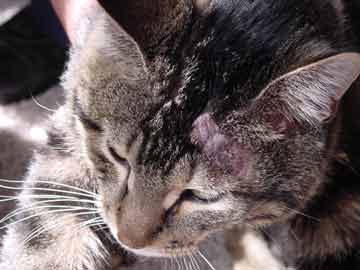
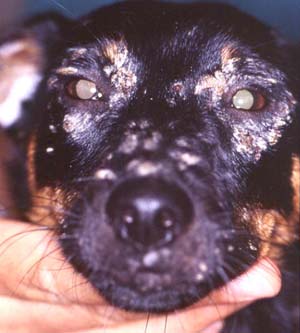
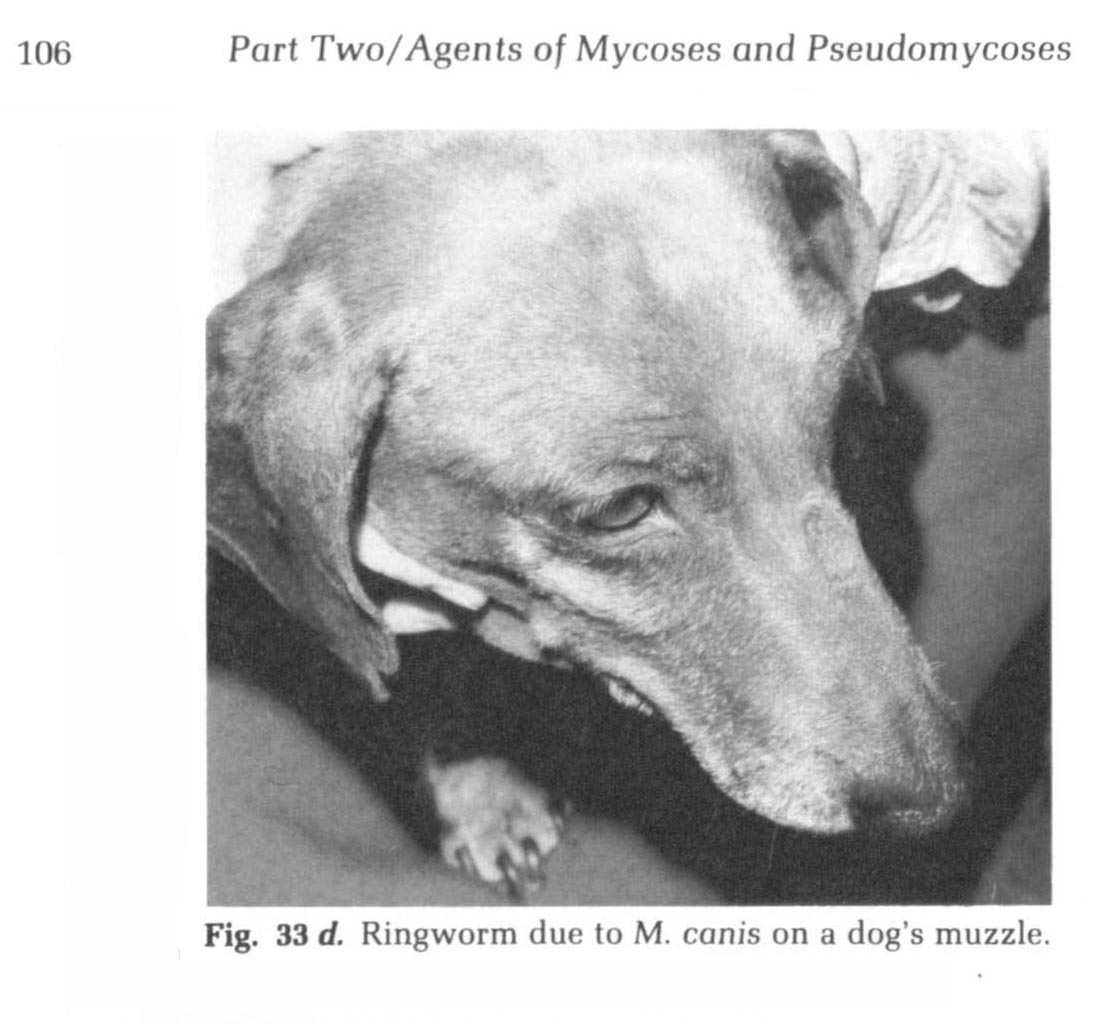
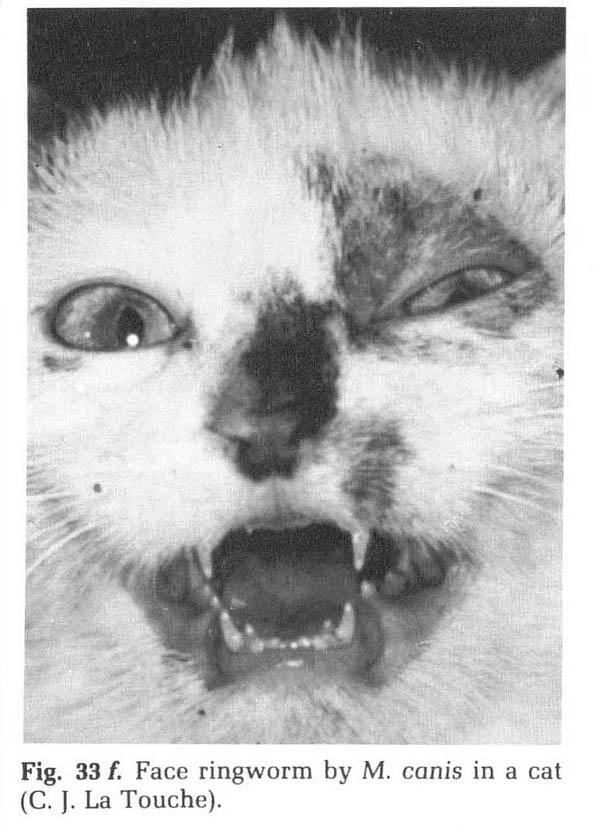
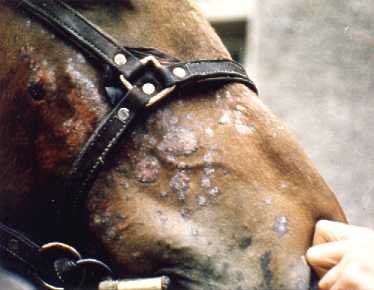
We need not say more than our pets at home are no less susceptible to fungal
mold eye infections, ringworm, respiratory disease, kidney, and
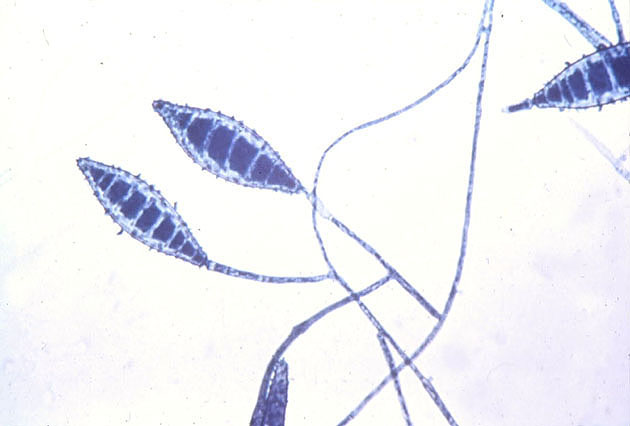
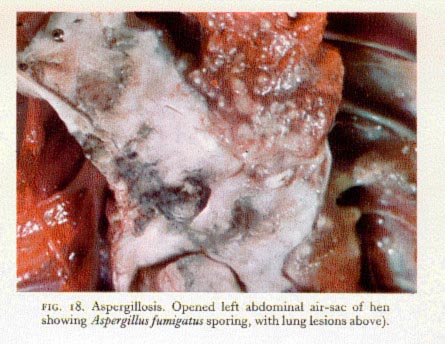
other mold fungal infections caused by Microsporium Canis, Aspergillus fumigatus,
Aspergillus terrus
and other pathogenic mold. Medical mycologists will tell you that after a major exposure to
allergenic/toxic mold the immune system developes allergic sensitivity and
becomes impaired against resisting the effects of opportunistic and pathogenic
fungal mold related infections. |